

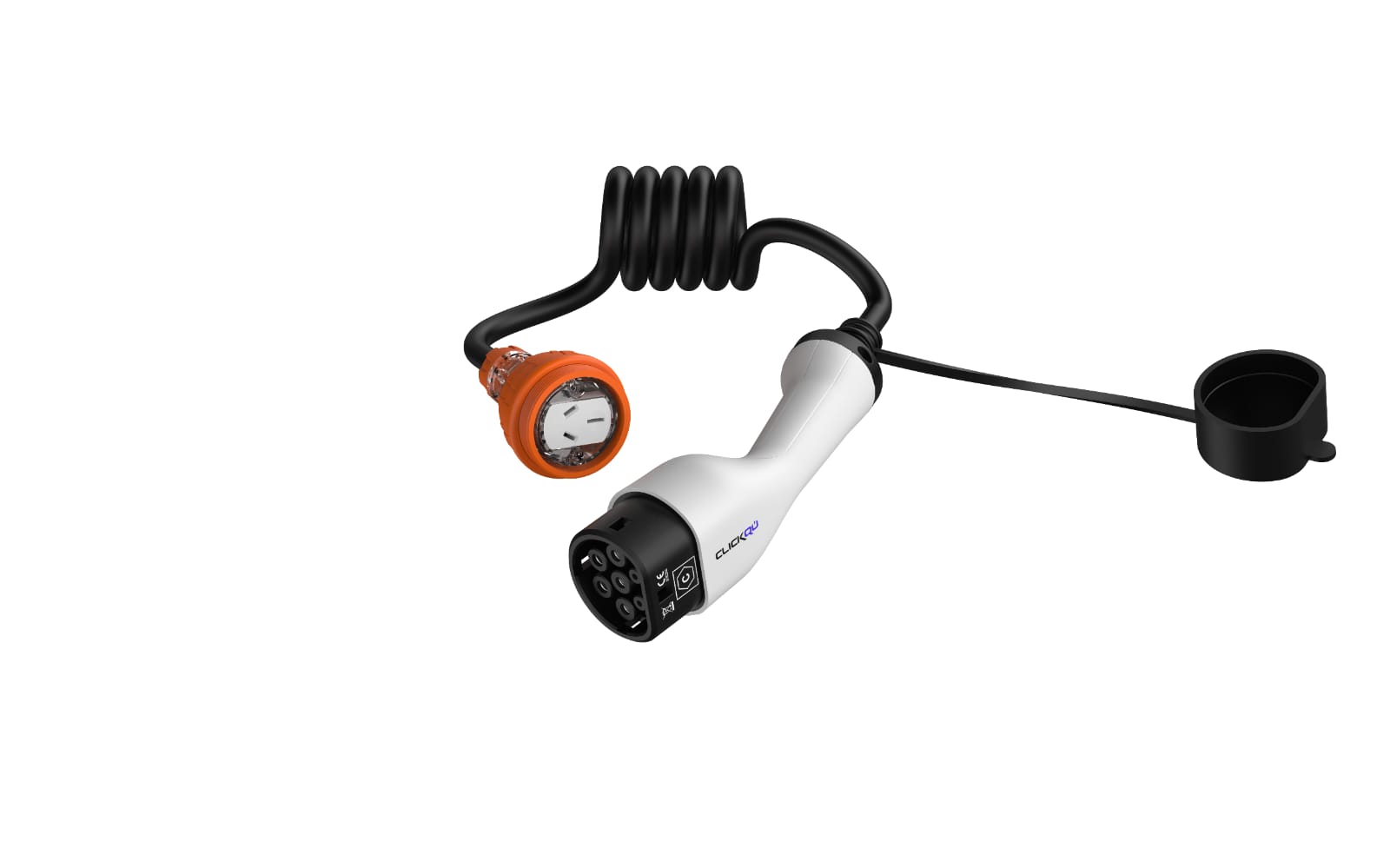
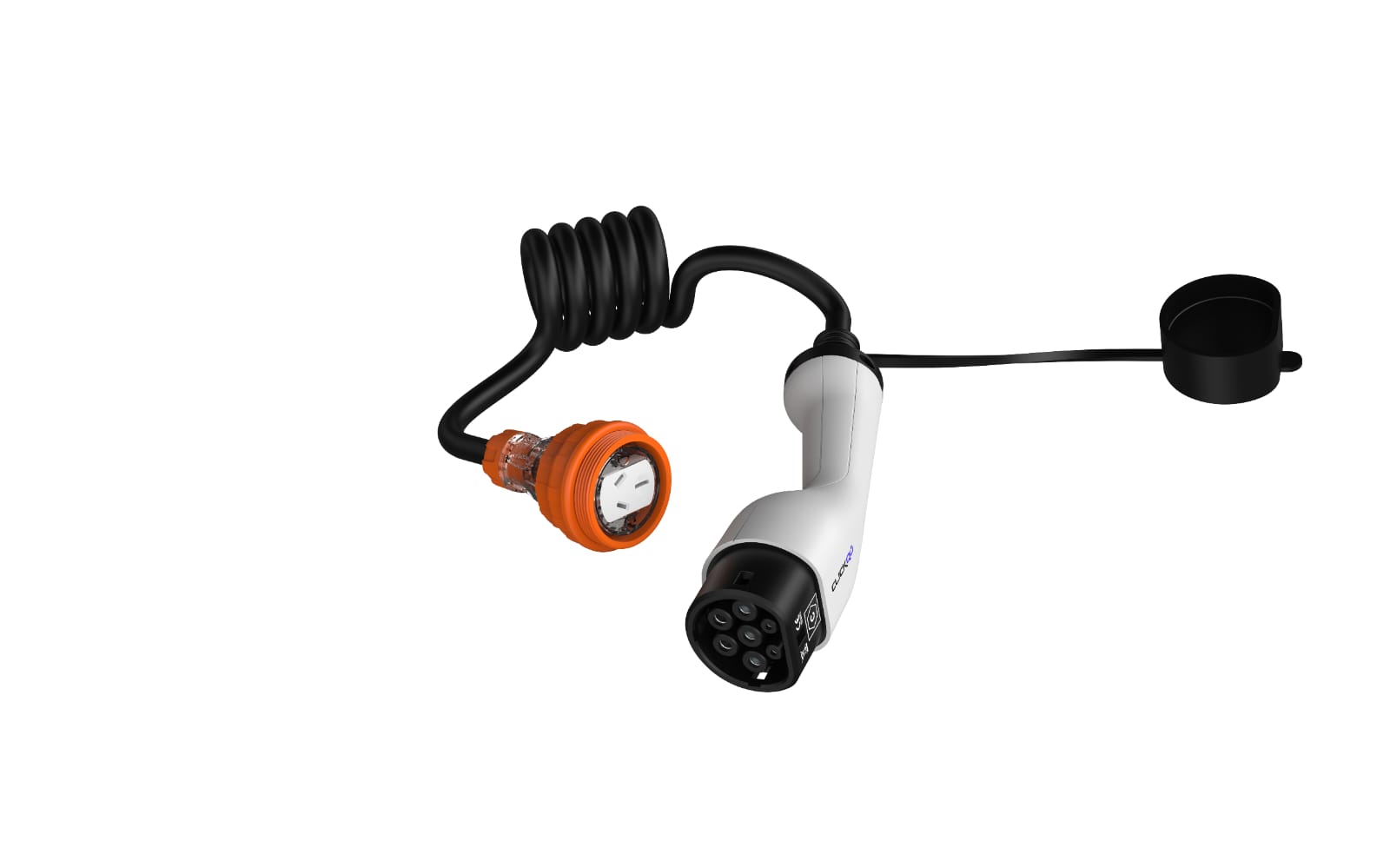
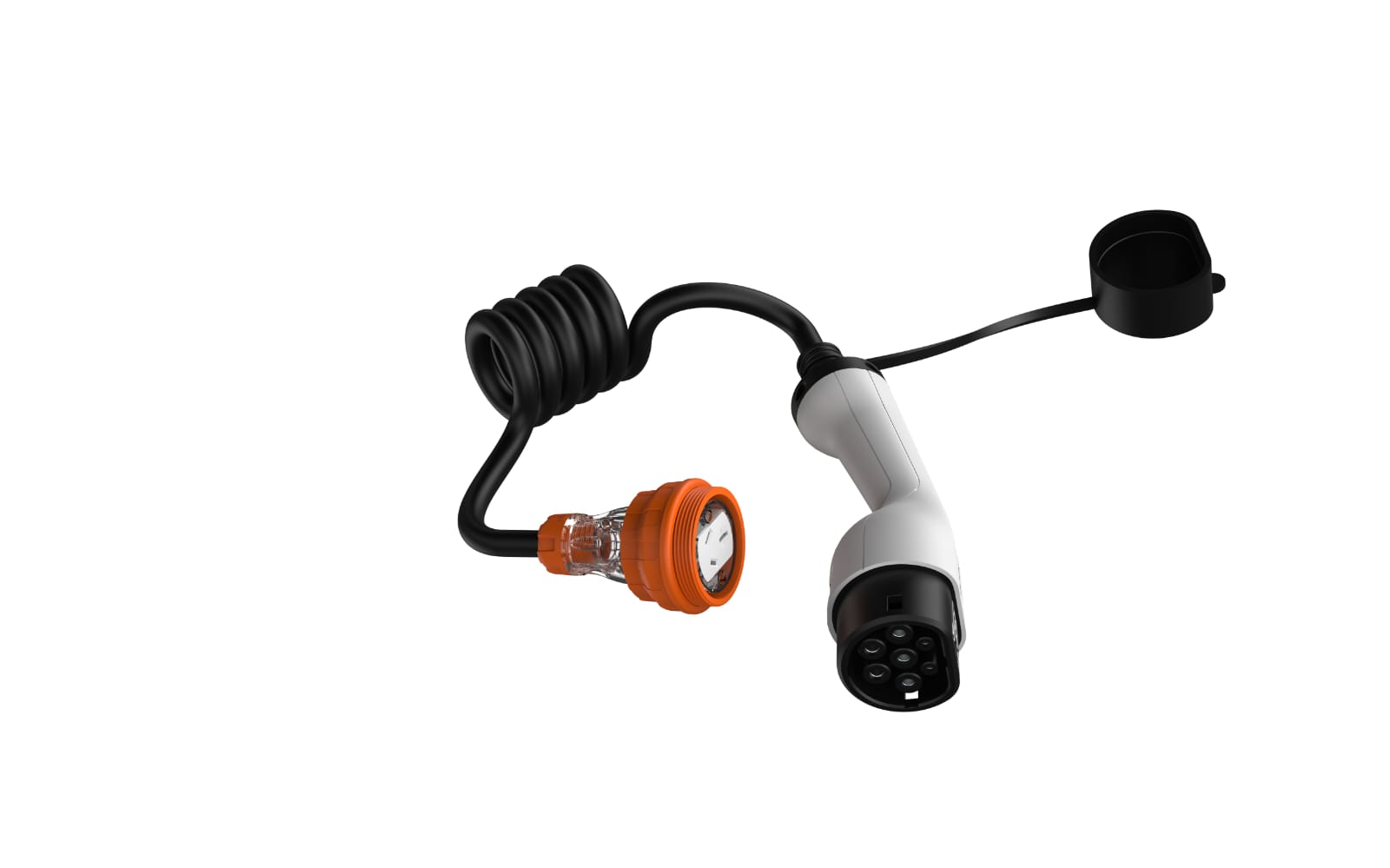
ClickQu - 16A V2L Single Socket Cable - 7m Length
Same day shipping if ordered before 2pm NSW
2-Year Warranty
If you have any questions, you are always welcome to contact us. We'll get back to you as soon as possible, within 24 hours on weekdays.
-
Shipping Information
Use this text to answer questions in as much detail as possible for your customers.
-
Customer Support
Use this text to answer questions in as much detail as possible for your customers.
-
FAQ’s
Use this text to answer questions in as much detail as possible for your customers.
-
Contact Us
Use this text to answer questions in as much detail as possible for your customers.
Product details
Description
The ClickQu 16A V2L Single Socket Cable is a versatile and practical accessory that allows you to unlock additional power potential from your electric vehicle (EV) by using its V2L (Vehicle-to-Load) capability. Whether you’re camping, on a road-trip, or simply want to use your EV to power tools, appliances or household devices, this cable offers a reliable and convenient solution.
---
Key Features & Benefits
• 16-Amp current rating: Designed to safely handle a steady 16A load, giving you substantial output for appliances, tools or devices.
• Vehicle-to-Load (V2L) compatible: Enables your EV to function as a mobile power source – tap into your car’s battery to run things like power tools, entertainment gear, camping equipment, or household appliances (looking for power when you’re off the grid or on the move).
• Single-socket outlet design: This cable connects your EV to a standard outlet socket, making it easy to plug in and use everyday devices without complicated adapter setups.
• Flexible deployment situations: Ideal for outdoor/remote use (camping, work sites), emergencies (power outages), or simply as a backup power source when you’re mobile.
• Robust construction: Built to handle regular use, with a heavy-duty cable and secure connections so you can deploy it with confidence.
---
Why It’s Worth Having
In a world where mobility and versatility matter more than ever, a V2L cable like this one gives your EV a whole new dimension: it’s not just transport — it can also be a power station. Rather than being limited to charging your vehicle, you can now use your vehicle to power your gear. This is especially useful if your lifestyle includes:
• Weekend getaways or camping where mains power is not readily available.
• Work or trades sites where portable power is needed.
• Emergency backup power situations at home.
• Using your EV for more than just driving — making it a true multipurpose asset.
---
Important Considerations
• Ensure your EV supports V2L or discharge-to-load functionality — not all EVs have this feature built-in.
• Verify compatibility: check the plug type, socket type and any specific EV manufacturer requirements.
• While the cable is rated at 16A, the actual usable power output will depend on your EV’s capability and system limits.
• For safe use, always follow the vehicle manufacturer’s guidelines and the cable manufacturer’s instructions.
Need Help?
Here we answer the most common questions. If you can't find the answer to your question below, please contact us.
How much does it cost to install an EV charger at home?
Cost of installation varies depending on many factors, such as: Are you installing a single phase or three phase charger? How old is your home? Where do you want the charger located? Do you want any extra accessories or features with your charger (e.g. mounting it, connecting to solar panels, etc.)?
What kind of charger best suits my situation?
You may want to consider how much you drive, as this can determine whether you need single phase or three phase charging. Single phase charging being cheaper providing a slower charge whereas three phase provides a much faster charge, better suited for someone who is always driving. You must also consider what your switchboard in your home allows as not all switchboards can support three phase charging.
What's the difference between AC/DC charging?
AC (Alternating current) charging utilises the on-board AC to DC power converter that is connected to your EV battery to charge your car.
- Available in single-phase and 3-phase charging
- More cost-effective solutions
DC (Direct current) Charging performs AC to DC power conversion outside of the EV and is more used for commercial settings.
- Units are much larger due to housing a much larger AC-DC power converter than the converter in your car
- Greater charging range and capacity (20kWh-150kWh)
- Charging times are much faster than AC charging
- DC Charging leads connect directly to your battery
What is the difference between a 7kW charger and a 22kW charger?
The key difference between 7kW and 22kW chargers comes down to charging speed and the type of power supply they use. A 7kW charger runs on single phase power. It charges much slower than a 22kW unit, but it’s the most common option for homes since most switchboards only support single phase. A 22kW charger uses three phase power. It can deliver much faster charging, but it’s only suitable for homes that already have a three-phase setup. Ultimately, your vehicle’s onboard charger determines how much power it can accept, regardless of the charger’s maximum output.