




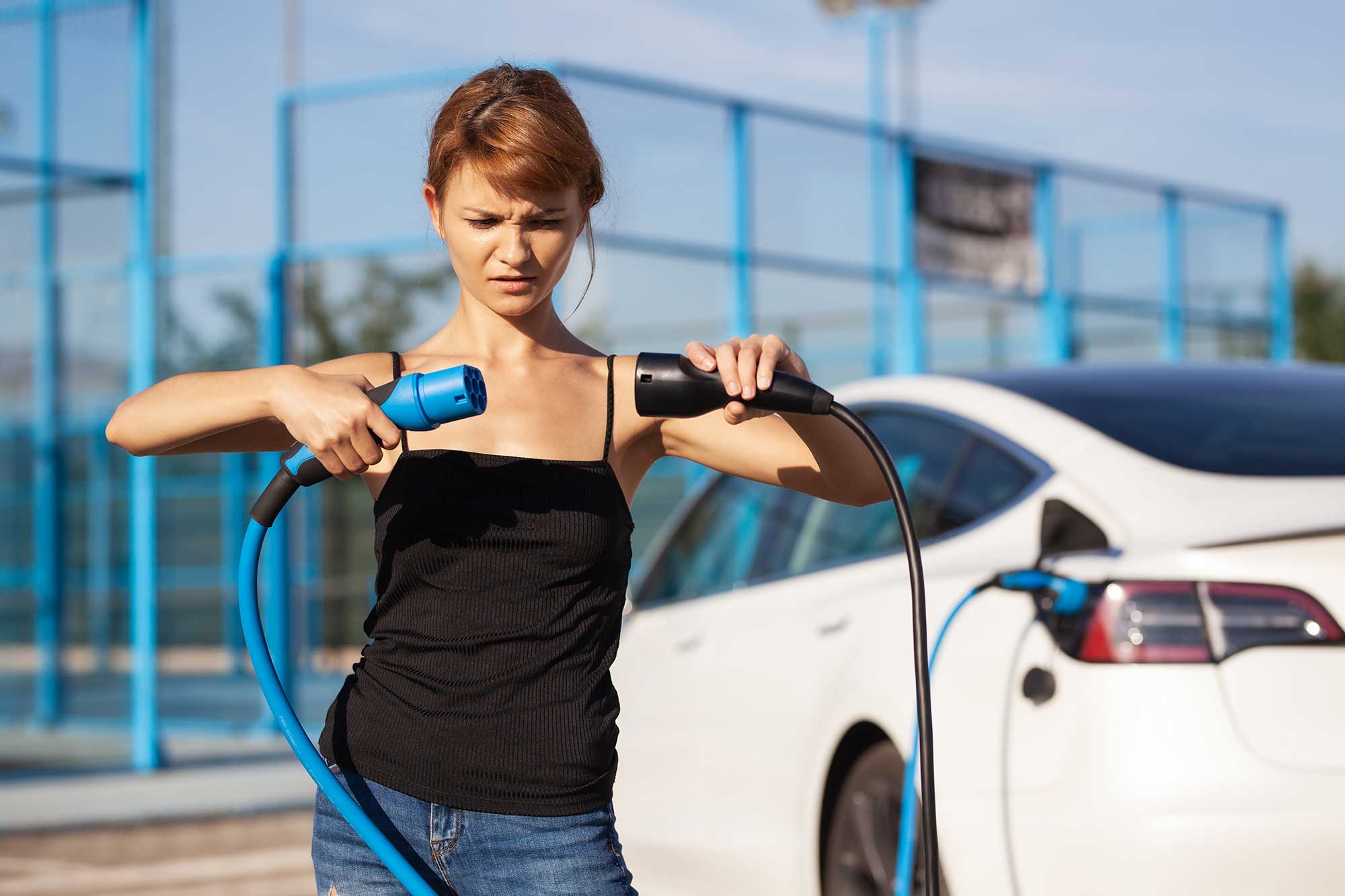
Low Battery but its your friends birthday? ClickQu has your back.

Kids at school, time for groceries? ClickQu can support your drive
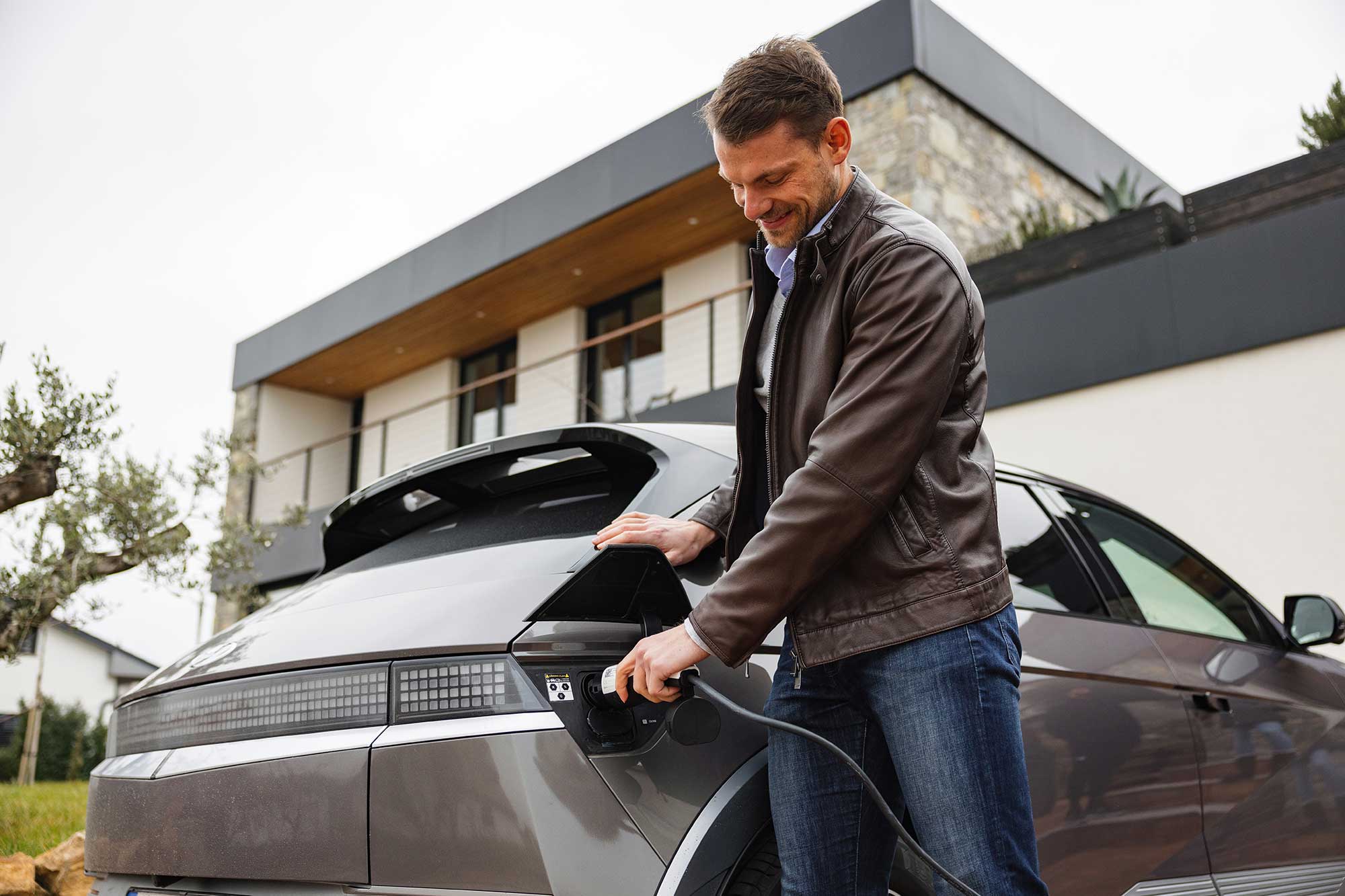
Schedule is packed with meetings, ClickQu keeps your battery full
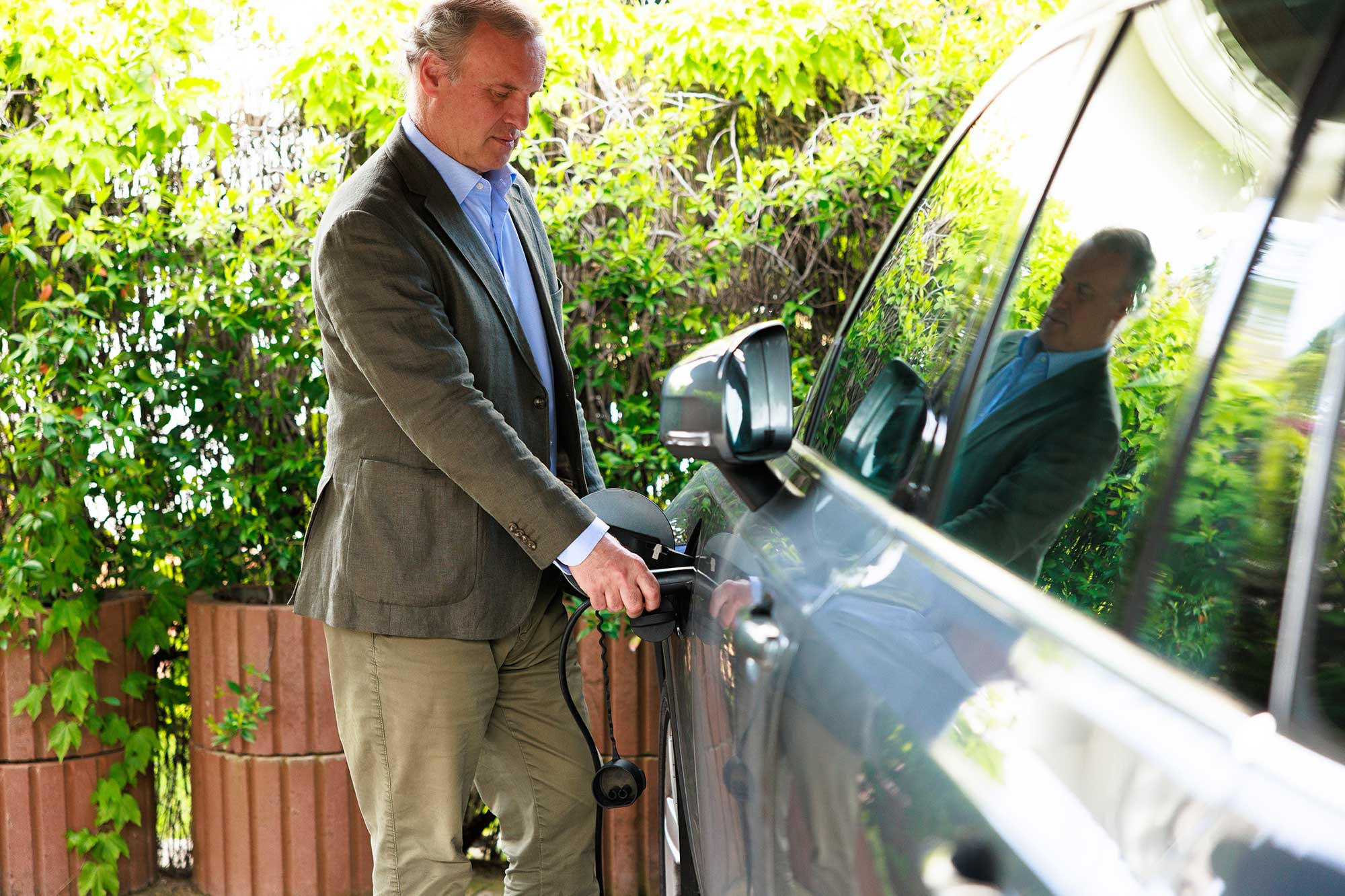
Ready for today, no matter the situation, thanks to ClickQu
Need Help?
Here we answer the most common questions. If you can't find the answer to your question below, please contact us.
How much does it cost to install an EV charger at home?
Cost of installation varies depending on many factors, such as: Are you installing a single phase or three phase charger? How old is your home? Where do you want the charger located? Do you want any extra accessories or features with your charger (e.g. mounting it, connecting to solar panels, etc.)?
What kind of charger best suits my situation?
You may want to consider how much you drive, as this can determine whether you need single phase or three phase charging. Single phase charging being cheaper providing a slower charge whereas three phase provides a much faster charge, better suited for someone who is always driving. You must also consider what your switchboard in your home allows as not all switchboards can support three phase charging.
What's the difference between AC/DC charging?
AC (Alternating current) charging utilises the on-board AC to DC power converter that is connected to your EV battery to charge your car.
- Available in single-phase and 3-phase charging
- More cost-effective solutions
DC (Direct current) Charging performs AC to DC power conversion outside of the EV and is more used for commercial settings.
- Units are much larger due to housing a much larger AC-DC power converter than the converter in your car
- Greater charging range and capacity (20kWh-150kWh)
- Charging times are much faster than AC charging
- DC Charging leads connect directly to your battery
What is the difference between a 7kW charger and a 22kW charger?
The key difference between 7kW and 22kW chargers comes down to charging speed and the type of power supply they use. A 7kW charger runs on single phase power. It charges much slower than a 22kW unit, but it’s the most common option for homes since most switchboards only support single phase. A 22kW charger uses three phase power. It can deliver much faster charging, but it’s only suitable for homes that already have a three-phase setup. Ultimately, your vehicle’s onboard charger determines how much power it can accept, regardless of the charger’s maximum output.